Views: 0 Author: Site Editor Publish Time: 2025-10-25 Origin: Site


OSHA Regulations: This document explains how OSHA requires employers to conduct occupational exposure assessments and select appropriate APF (Designated Protection Factor) respiratory protection based on the assessment results. It will emphasize that PAPR is recommended or mandatory under OSHA regulations for dealing with certain specific hazards (such as welding fumes, asbestos, lead dust, etc.).
Medical assessment and compatibility testing: Emphasizing the OSHA requirement that employees must undergo medical evaluation (Medical Evaluation) and compatibility testing (Fit Test) before using respirators, even for positive pressure PAPR, an initial seal check is also necessary.
2. ? Industry Application Scenarios: Focusing on High-Risk Occupations in the United States
Healthcare: Since the COVID-19 pandemic, the use of PAPR in hospitals and dental clinics has become a hot topic. The advantages of PAPR in protecting against airborne pathogens will be discussed, and the CDC guidelines will also be mentioned.
Emergency Response and Firefighting: Firefighters and Hazmat (dangerous materials) response teams are important users of PAPR. Introduce dedicated PAPR that complies with NFPA standards.
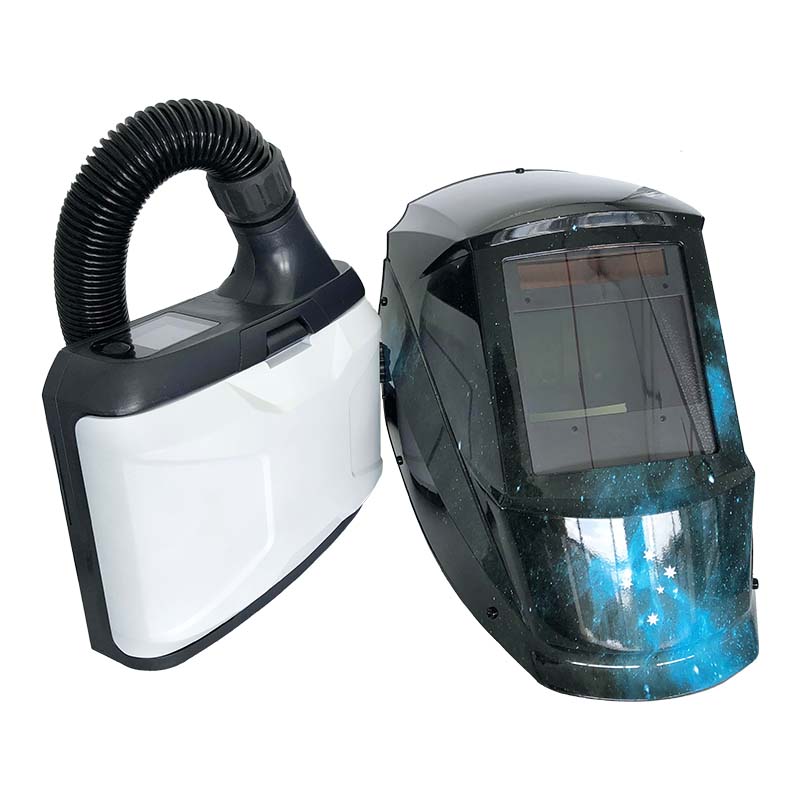
Industrial Manufacturing and Welding: In the manufacturing and construction industries of the United States, protecting against welding fumes, metal dust, and chemical vapors is a key concern. A comparison will be made between PAPR (Positive Air Pressure Respirators) and traditional masks in terms of long-term health risks and corporate responsibilities.
Asbestos and Hazardous Substance Removal: In the United States, asbestos removal is an industry subject to extremely strict regulations, and PAPR is typically a mandatory equipment required by law.